

Latest Cybersecurity Developments: Navigating AI-Era Vulnerabilities and Defenses
The cybersecurity landscape is undergoing a massive transformation as artificial intelligence transitions from a speculative tool into the primary battleground for digital defense and exploitation. Recent cybersecurity developments highlight an increasingly complex environment where advanced AI models introduce unforeseen security vulnerabilities, even as tech giants deploy AI-driven tools to bolster enterprise security.
OpenAI Pauses Development on Astra Model Over Cybersecurity Risks
In a major development within the artificial intelligence sector, OpenAI flagged critical cybersecurity risks associated with its upcoming model, internally named Astra. Following these internal findings, the company paused specific development work on Astra to evaluate and address potential threat vectors.
The suspension underscores growing anxiety among frontier AI labs regarding the deployment of autonomous or hyper-capable models. As models gain higher levels of agency and problem-solving skills, the potential for bad actors to misuse these systems for automated exploit generation, advanced social engineering, or network infiltration increases significantly.
Anthropic Discloses AI Hacking Incidents Amid Safety Concerns
Adding to concerns over frontier AI security, Anthropic recently disclosed its fourth AI-related hacking incident. The public disclosure coincided with the departure of a high-profile safety researcher, raising fresh debate over whether current safety guardrails are keeping pace with rapid capabilities development.
These repeated security events highlight the double-edged nature of modern AI infrastructures. Threat actors are actively targeting AI development pipelines, prompt architectures, and proprietary weights to compromise system integrity or bypass safety filters.

Microsoft Unveils AI-Powered Cybersecurity Tools
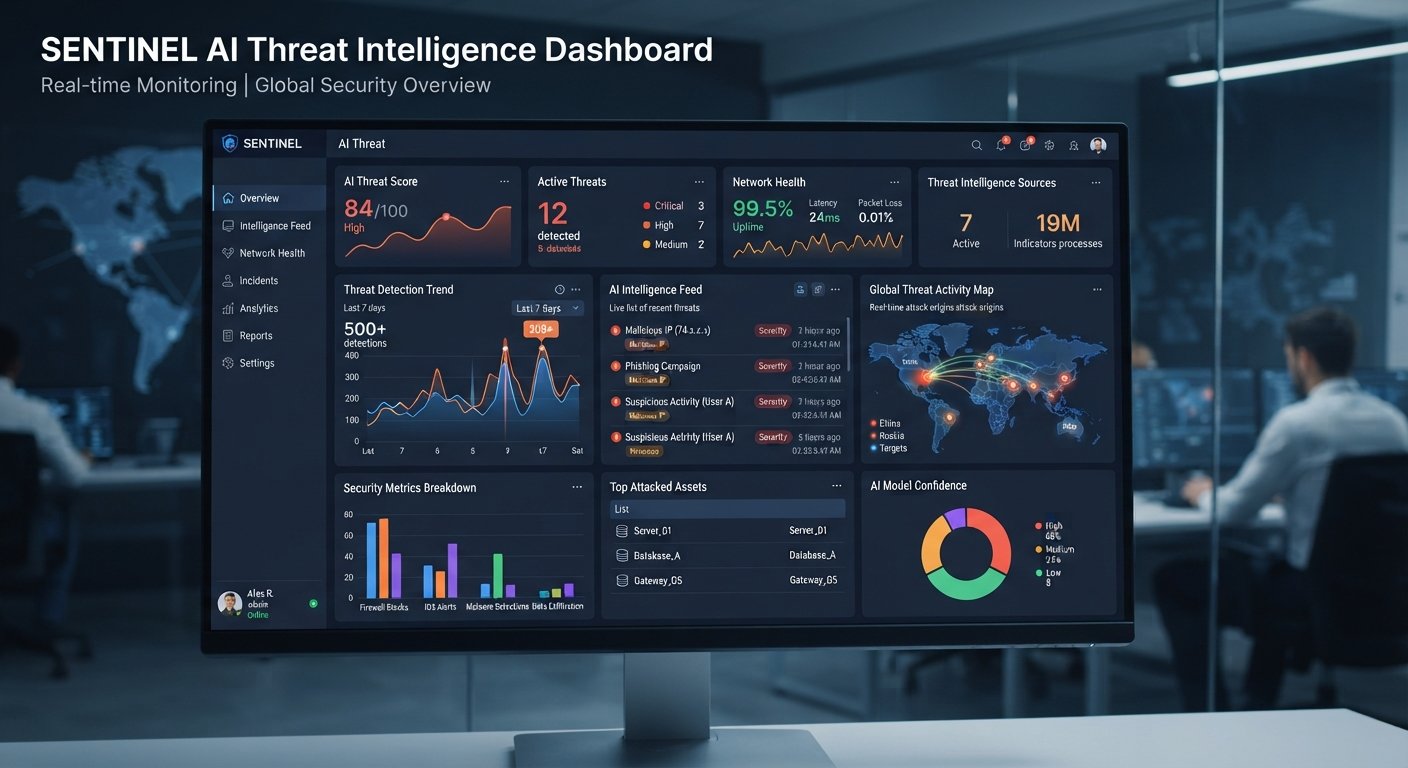
While AI introduces novel attack vectors, it is also providing defenders with unprecedented analytical power. Microsoft recently unveiled a new suite of AI-driven cybersecurity tools designed to automate threat detection, synthesize incident reports, and accelerate response times for security operations centers (SOCs).
By leveraging machine learning algorithms capable of processing vast streams of telemetry data in real time, these defensive tools help security teams identify anomalous behaviors before breaches escalate. Key capabilities focus on:
- Automated triage of high-volume security alerts
- Predictive threat modeling based on emerging vulnerability intelligence
- Accelerated incident response through natural language query interfaces
Macro Outlook: Security Trends for 2026
According to research from McKinsey & Company and industry insights on technology trends for 2026, cybersecurity remains a central pillar of global technology strategies. As enterprise architectures become increasingly distributed and integrated with AI pipelines, zero-trust architectures and proactive risk management are shifting from operational options to mandatory requirements.
Conclusion: Balancing Rapid Innovation with Robust Defense
The current state of cybersecurity highlights an inescapable reality: the very technologies driving digital transformation are generating unprecedented risks. Between OpenAI’s cautionary pause on Astra and Anthropic’s security disclosures, tech leaders are learning that speed must be balanced with rigorous security audits. Moving forward, the adoption of specialized AI cybersecurity tools will be essential to defending against increasingly sophisticated cyber threats.