

New AI Tools and Applications Transforming the Tech Landscape in 2026
The artificial intelligence ecosystem continues to evolve at a rapid pace, moving beyond isolated chatbots to deeply integrated ecosystems and specialized workflows. Major technology platforms are redefining productivity, enterprise automation, software development, and digital education through a new wave of software tools released in mid-2026.
From unified virtual assistants to targeted regional developer programs, key shifts in new AI tools and applications reveal a clear trend toward unified user experiences and targeted functional capabilities.
Microsoft Plans Unified Experience with Copilot Super App
In a major consolidation move, Microsoft confirmed plans for a single Copilot enterprise and consumer experience—often described as an AI ‘Super App’. Rather than navigating distinct assistants across different software environments, users will soon interact with a cohesive intelligence layer that bridges productivity software, code repositories, and operational workflows.
This unified approach aims to streamline context switching, allowing seamless interaction whether drafting documents, analyzing data sets, or deploying software updates.
Google Expands Gemini Study Tools and Regional Developer Platforms
Google has accelerated its generative rollout across consumer and enterprise sectors with several targeted releases:
- Education and Learning: Search and Gemini have received dedicated study tools designed to structure complex learning paths, generate interactive exercises, and provide step-by-step technical guidance for students and self-learners.
- Regional Developer Programs: At events such as I/O Connect India, Google unveiled tailored programs and development kits aimed at local startups, providing credits, technical training, and foundational models to foster regional innovation ecosystems.
- Core Engine Enhancements: Continuous updates across Google’s model family maintain focus on reducing latency and improving factual groundedness.

Enterprise MarTech and Autonomous Workflows
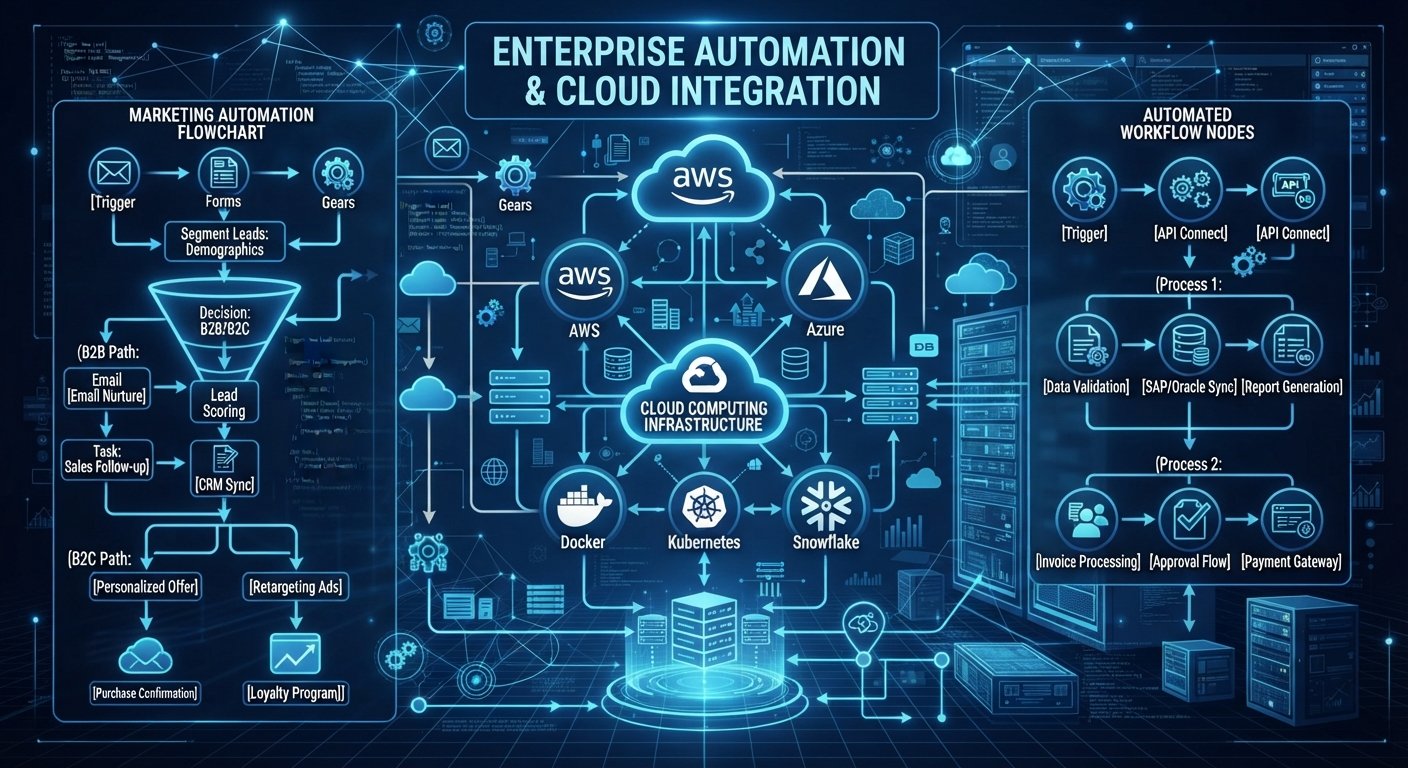
Marketing technology (MarTech) is seeing a swift transition toward autonomous execution. Modern martech platforms are integrating continuous content optimization, predictive consumer segmentation, and automated multi-channel campaign management directly into core operational dashboards.
By leveraging real-time data ingestion, these automated systems allow marketing teams to pivot strategies instantly, drastically reducing the latency between data insight and execution.
Addressing Safety, Privacy, and Scalability Concerns
As applications become more powerful, public debate and regulatory scrutiny surrounding safety, intellectual property rights, and algorithmic bias remain front and center. Organizations implementing these emerging solutions are increasingly prioritizing privacy-first architectures, robust governance frameworks, and reliable verification tools to ensure output accuracy.