

Technology Innovations 2026: The Breakthrough Trends Redefining Industries
As global industries transition into an era defined by rapid digitization and sustainable infrastructure, technology innovations in 2026 are shifting from speculative concepts into operational realities. Driven by substantial institutional investment, regulatory adaptation, and urgent energy demands, emerging technologies are fundamentally transforming research, healthcare, and grid infrastructure worldwide.
1. Institutional Investment in Scientific Instrumentation and R&D
A core catalyst for upcoming technology innovations is targeted public and institutional funding. The U.S. National Science Foundation (NSF) has deployed $250 million to restart its Small Business Innovation Research (SBIR) and Small Business Technology Transfer (STTR) programs. Notably, this funding includes a dedicated $40 million pilot initiative focusing specifically on next-generation scientific instrumentation.
International support is scaling concurrently. UK Research and Innovation (UKRI) announced a strategic five-year roadmap designed to drive future technologies to the next level while backing thousands of scientists and innovators. These financial commitments ensure that fundamental deep-tech research transitions smoothly from academic laboratories into commercial deployment.
2. Sustainable Power and Breakthrough Energy Technologies
The global energy transition demands sophisticated updates to electrical power generation and grid management. Reports such as GE Vernova’s sustainability analysis highlight progress in adding modern power capacity to regional grids while actively reducing global carbon intensity.
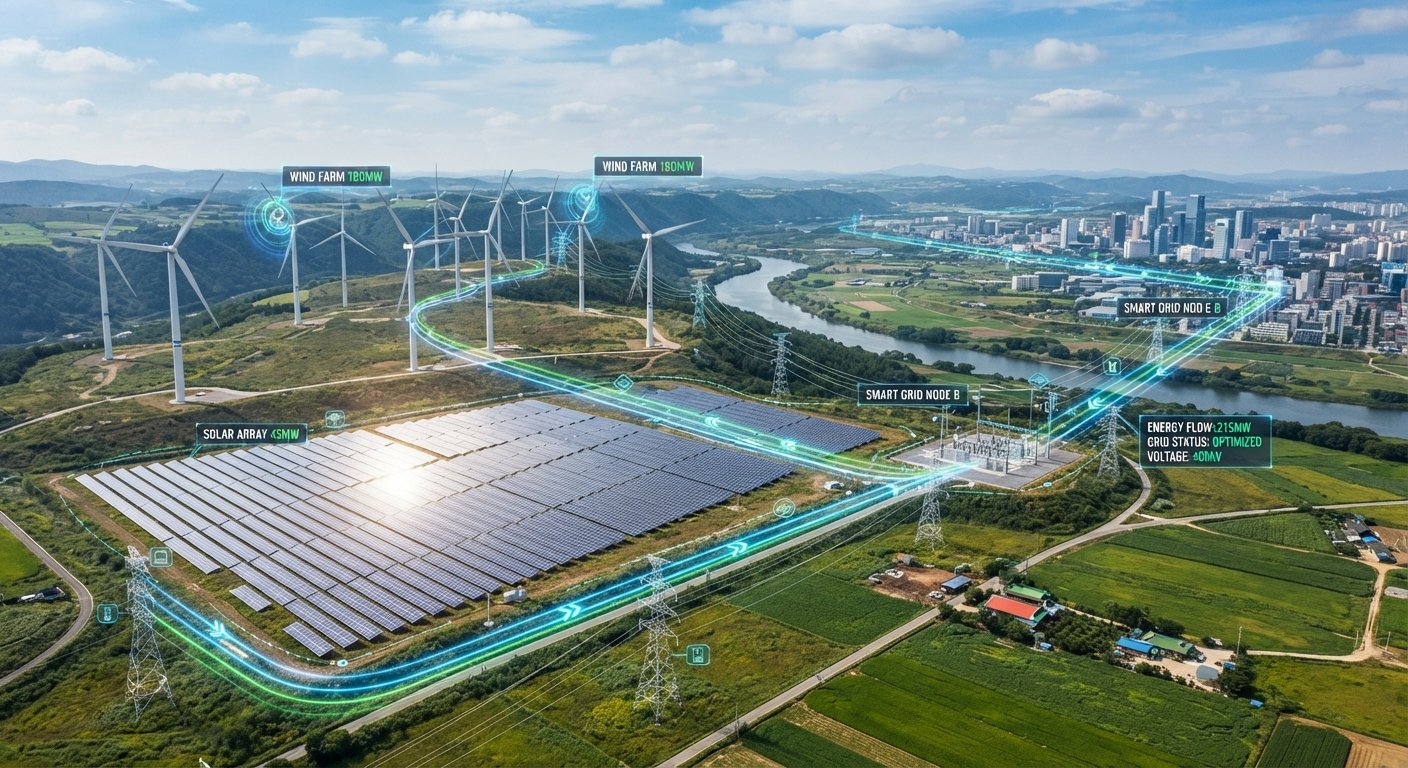
Advancements in breakthrough energy technologies aim to optimize clean power generation, integrate intermittent renewable sources, and reinforce grid resilience. Primary focal points include advanced grid management software, high-capacity energy storage systems, and specialized power electronics built to support large-scale electrification.
3. Breakthrough Medical Devices and Accelerating Healthcare Pathways
Medical innovation is benefiting from novel regulatory structures. The European Medicines Agency (EMA) launched a dedicated pilot initiative aimed at supporting the development of breakthrough medical devices. This program streamlines regulatory guidance for critical healthcare technologies addressing unmet clinical needs.
By expediting review frameworks without sacrificing safety standards, regulatory bodies enable advanced diagnostic tools, novel targeted therapies, and smart medical hardware to reach healthcare providers significantly faster.
4. Enterprise Tech Outlook: 2026 and Beyond
Comprehensive market reports—including the McKinsey Technology Trends Outlook 2026, Simplilearn’s emerging technology analysis, and NatWest Group’s strategic forecasting—highlight several macroeconomic technological shifts across enterprise systems:
- Industrialized AI & Automation: Enterprise systems are evolving from experimental language models toward resilient, autonomous digital workflows.
- Quantum Hybridization: Increased integration of specialized quantum computing modules with high-performance cloud environments for complex simulation tasks.
- Advanced Cyber Resilience: Updating enterprise security infrastructure to defend against complex, automated cyber threats in distributed compute environments.

Ultimately, technology innovations in 2026 demonstrate a balance between physical deep-tech breakthroughs and scalable digital infrastructure. Organizations that align early with these institutional research roadmaps and energy transition models are set to lead the next decade of technological advancement.