
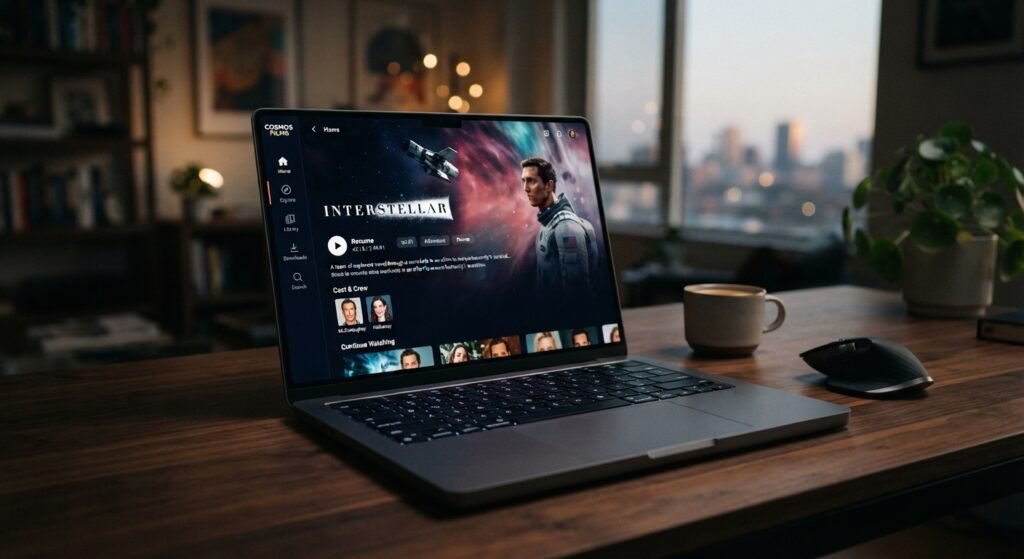
Netflix continues to reshape its engineering architecture and content delivery pipeline through major technological upgrades. From unlocking high-resolution playback on popular desktop web browsers to expanding generative artificial intelligence across production studios, the streaming giant is aggressively evolving its digital infrastructure.
Expanding High-Definition Streaming: 4K Support Comes to Chrome on Windows
In a long-awaited technical breakthrough, Google Chrome users on Windows can now stream Netflix content in native 4K resolution. Previously, 4K streaming on desktop platforms was heavily restricted due to hardware-level Digital Rights Management (DRM) requirements, often limiting Windows users to native apps or specific browsers like Microsoft Edge.
This technical enhancement brings parity to web-based viewing, allowing millions of Chrome desktop users to leverage High Dynamic Range (HDR) and Ultra HD resolutions without requiring specialized secondary applications or platform-specific extensions.
Generative AI Integration: From Post-Production to Short-Form Animation
Beyond video delivery optimization, Netflix is heavily integrating generative AI technologies into its content creation pipeline. The platform recently acknowledged using generative AI tools during post-production on approximately 300 titles to streamline visual effects, editing, and technical refinement.

Furthermore, reports indicate that Netflix is actively developing an AI-driven animation studio aimed specifically at creating short-form content. By combining AI capabilities with creative workflows, the company aims to reduce production timelines and explore lower-cost formats to engage younger, mobile-first audiences.
Accessibility Enhancements and User Experience Upgrades
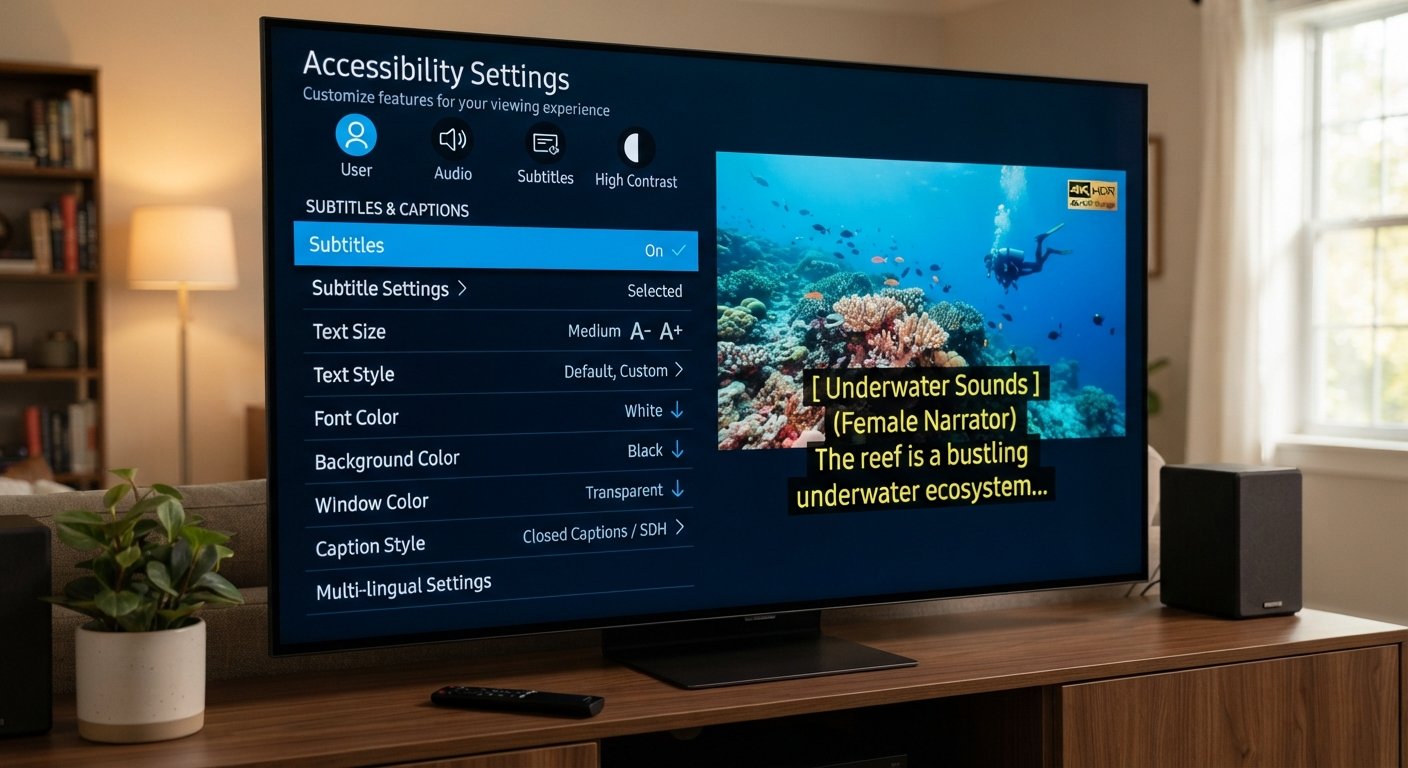
As viewing habits shift globally across diverse demographics and devices, accessibility has become a core engineering priority. Netflix has expanded its suite of accessibility features, introducing localized audio descriptions, extended subtitle customization, and improved user interface controls.
These features cater to users with sensory impairments while enhancing the experience for audiences who prefer dual-language subtitles or customized playback speeds during international content consumption.
Regulatory Scrutiny: Data Privacy and Youth Surveillance Lawsuits
Despite technical advancements, Netflix faces growing legal hurdles surrounding user data collection. The Florida Attorney General filed a lawsuit against the streaming service, citing concerns over big tech surveillance practices allegedly directed at minors.
The legal action centers on automated data gathering, behavioral profiling, and algorithmic recommendations targeted at child accounts. As regulatory scrutiny around juvenile data privacy intensifies across North America and Europe, streaming platforms face increasing pressure to balance tailored content recommendations with strict compliance standards.
Competitive Context in the Streaming Landscape
Netflix’s technological shifts occur alongside major industry restructuring. Rivals such as Disney have embarked on significant operational overhauls to reignite subscriber growth. In response, Netflix’s strategy relies on technical superiority, optimized playback performance, AI-assisted content scaling, and robust library curation to maintain its leadership position in global entertainment.